
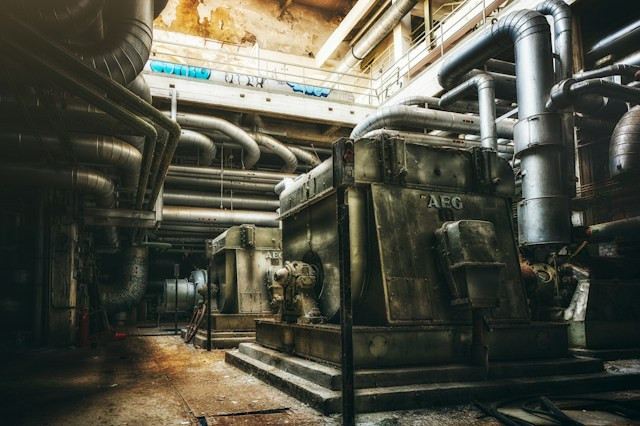
Boiler Troubleshooting: Common Startup Problems and the Parts That Fix Them
When boilers come back online in the fall, the same handful of problems show up again and again. Burners that won't light, controls that lock out, zones that stay cold, and relief valves that start dripping all generate calls from residents and tenants in the first weeks of heating season.
This boiler troubleshooting guide is built for property managers and building maintenance teams. For each common symptom, it covers the likely causes and the replacement parts that usually fix them, so your team can diagnose faster and order the right component the first time. For preventive steps before startup, see our fall boiler maintenance checklist.
Start With the Basics
Before replacing any parts, rule out the simple causes. Many no-heat calls turn out to be one of these:
- The service switch or breaker is off, or a fuse has blown
- The thermostat or building automation system isn't calling for heat
- The gas supply valve is closed or the fuel supply is interrupted
- System water pressure is low, tripping the low water cutoff
- The boiler is in lockout and displaying a fault code
If the boiler has a fault code, look it up in the manual before resetting. Repeatedly pressing reset without finding the cause can mask a safety problem, and some controls will hard-lock after too many attempts.
Boiler Won't Fire or Goes Into Lockout
A boiler that tries to start and then locks out is usually failing somewhere in the ignition sequence. Work through the sequence in order:
- Draft and venting. On power-vented boilers, the inducer must run and the pressure switch must close before ignition. A blocked vent, cracked hose, or failed switch stops the sequence here.
- Ignitor. A cracked hot surface ignitor or worn spark electrode is one of the most common startup failures. If the ignitor doesn't glow or spark, a boiler ignitor replacement is often the fix.
- Gas valve. If the ignitor works but no gas flows, check for control voltage at the valve. If voltage is present and the valve won't open, the gas valve for the boiler may need replacement.
- Control board or ignition module. If none of the steps occur in sequence, check the ignition module or control board for fault codes, burn marks, or failed relays.
Burner Lights, Then Shuts Off
If the burner lights for a few seconds and then drops out, the control isn't proving flame. The most common cause is a dirty or failing boiler flame sensor. Clean the rod with a fine abrasive pad and check the ceramic for cracks. If the problem continues, replace the flame sensor and confirm the burner has a good ground connection. On larger commercial boilers, inspect the flame scanner and the flame safeguard control.
Pilot Won't Stay Lit
On standing-pilot boilers, a pilot that lights but goes out when the knob is released usually points to a weak thermocouple or thermopile. A dirty pilot orifice can also produce a small flame that doesn't heat the sensing element enough. Replace the thermocouple or pilot assembly, and match parts by your boiler's model number. Burnham boiler parts such as pilot assemblies and control kits are among our most requested replacements.
Boiler Short Cycling
A boiler that fires briefly, shuts off, and restarts again wastes fuel and wears out ignition components. Common causes include:
- Operating control or aquastat differential set too narrow
- Poor circulation from a failing circulator or a stuck zone valve
- Intermittent flame sensing, which causes repeated restarts
- A boiler that is oversized for the connected load
Check control settings and circulation first, since those are the easiest to correct. Sizing problems require a heating professional to evaluate.
Low Water Cutoff Keeps Tripping
If the low water cutoff repeatedly shuts the burner down, first confirm whether the water level is actually low. On steam systems, check the gauge glass. On hot water systems, check system pressure. A real low-water condition points to a leak, a failing automatic fill valve, or excessive steam loss in the piping. If the water level is correct, the cutoff itself may be fouled with sediment or failing. Replacement low water cutoffs and parts are available from McDonnell & Miller.
Relief Valve Leaking or Pressure Climbing
A relief valve that discharges as the system heats is doing its job. The real problem is excess pressure. The most common causes are a waterlogged expansion tank or a fill valve that keeps feeding water into the system. Check the expansion tank's air charge and the fill valve before replacing the relief valve. If the valve leaks at normal operating pressure or shows corrosion, replace it with one of the same pressure rating and capacity. Find relief valves, expansion tanks, and fill valves in our valves and pumps category.
Some Zones Stay Cold
If the boiler runs but certain apartments or areas don't heat, the problem is usually in distribution rather than the boiler itself:
- Zone valves. A failed actuator or motor head leaves the valve closed. Check whether the valve opens on a call for heat. Replacing the power head is often all that's needed, and our zone valves category covers Honeywell, Taco, Erie, and other common brands.
- Circulator pumps. A pump that hums but doesn't move water may have a seized cartridge or failed motor.
- Air in the system. Trapped air blocks flow to high points. Bleed radiators and check automatic air vents.
Banging, Gurgling, or Kettling Noises
Gurgling usually means air in hydronic lines. Banging in steam systems is often water hammer from improperly pitched piping or failed steam traps. A rumbling or kettling sound in a hot water boiler can indicate scale buildup on the heat exchanger or poor flow through the boiler. Persistent kettling should be evaluated by a technician, since restricted flow can damage the heat exchanger.
Yellow Flame, Soot, or Rough Burner Operation
A healthy gas flame is mostly blue and steady. Yellow, lazy flames, soot buildup, or rumbling at ignition point to combustion problems such as dirty or damaged boiler burners, blocked air openings, or incorrect gas pressure. Cleaning may restore performance, but warped, cracked, or corroded burners call for boiler burner replacement. Also inspect burner gaskets. Because poor combustion can produce carbon monoxide, have a qualified technician perform a combustion analysis after any burner work.
When to Stop and Call a Technician
Some symptoms should not be handled as routine parts swaps. Shut the boiler down and call a qualified technician if you notice:
- A gas odor in or near the boiler room
- A carbon monoxide alarm
- Water leaking from the boiler body, which may indicate a cracked section or heat exchanger
- Scorch marks, melted wiring, or flame rollout
- Repeated relief valve discharge or pressure above the boiler's rating
How to Order the Right Boiler Replacement Part
Once you've identified the failed component, gather the boiler's model and serial number from the data plate, along with the part number printed on the old component. Confirm voltage, fuel type, and any superseded part numbers before ordering. Matching by part number is especially important for safety controls, gas valves, and ignition components.
Furnace Part Source stocks boiler parts for Burnham, Williamson-Thermoflo, NTI, Fulton, AERCO, and other commercial and residential brands. Search by part number or call 866-620-8417 for help matching a replacement. Managing multiple buildings? Read how commercial facilities teams and apartment maintenance teams source heating parts.
Boiler Troubleshooting FAQs
Why does my boiler keep locking out?
Repeated lockouts are usually caused by a failure in the ignition sequence, such as a weak ignitor, dirty flame sensor, failed pressure switch, or blocked venting. Check the fault code in the boiler manual to narrow down the cause before resetting.
Can a dirty flame sensor stop a boiler from staying lit?
Yes. If the flame sensor can't prove flame, the control shuts off the gas within seconds of ignition. Cleaning the sensor often solves the problem. If it doesn't, replace the flame sensor and check the burner ground.
What affects boiler gas valve replacement cost?
The cost depends on the boiler model, the valve type, and whether the valve is an OEM or direct replacement part. Commercial and modulating valves generally cost more than standard residential valves. Labor is separate, and gas valve installation should be done by a qualified technician.
Why is my boiler pressure relief valve leaking?
Most often, the system pressure is too high because of a waterlogged expansion tank or a fill valve that won't shut off. If the pressure is normal and the valve still leaks, the valve may be worn or corroded and should be replaced with one of the same rating.
Recent Posts
-
Boiler Troubleshooting: Common Startup Problems and the Parts That Fix Them
When boilers come back online in the fall, the same handful of problems show up again and again. Bur …2nd Oct 2026 -
Boiler Maintenance Checklist: A Fall Startup Guide for Property Managers
The first cold night of the season is when boilers that sat idle all summer show their problems. Ign …2nd Oct 2026 -

Furnace Parts for Property Managers
Why Property Managers and Facilities Teams Rely on Furnace Part Source for Furnace Repair Parts For …9th Feb 2026