
Furnace Flame Sensor Replacement Parts
Shop furnace flame sensor replacement parts, pilot sensors, flame rods, and burner sensing components for compatible gas furnaces, boilers, and heating equipment. Furnace Part Source carries flame sensors from brands such as Rheem-Ruud, York, Amana-Goodman, Honeywell, Bard, Lochinvar, Eclipse, Siemens Combustion, Trane, and more.
Find replacement flame sensors by manufacturer, part number, furnace model, sensor rod length, or mounting style. Choose from brand-specific sensors, universal replacement options, pilot flame sensors, and flame detection assemblies. Before ordering, compare the original part number, rod shape, ceramic insulator, mounting bracket, electrical connection, and equipment compatibility. Check individual product listings for current prices, availability, and shipping options.
- Product
- Qty in Cart
- Quantity
- Price
- Subtotal
-

Viessmann 7823837 Ign/Ion Electrode w/lead
Viessmann
MSRP: $127.58Now: $98.58Viessmann 7823837Ign/Ion Electrode w/lead FurnacePartSource.comMSRP: $127.58Now: $98.58 -


Bard HVAC 8554-016BX Flame Sensor 18" Lead
Bard HVAC
MSRP: $81.30Now: $62.82Bard HVAC 8554-016BX Flame Sensor 18" Lead FurnacePartSource.comMSRP: $81.30Now: $62.82 -

York S1-30A46-105 Flame Sensor/Pilot/12"Element
York - Source 1
MSRP: $949.03Now: $733.34York S1-30A46-105 Flame Sensor/Pilot/12"Element FurnacePartSource.com CommitmentMSRP: $949.03Now: $733.34 -

Rheem-Ruud 62-23543-01K Flame Sensor
Rheem-Ruud
MSRP: $12.03Now: $9.29Rheem-Ruud 62-23543-01K Flame Sensor FurnacePartSource.com CommitmentMSRP: $12.03Now: $9.29 -


Rheem-Ruud 62-23543-02K Flame Sensor
Rheem-Ruud
MSRP: $11.67Now: $9.01Rheem-Ruud 62-23543-02K Flame Sensor FurnacePartSource.com CommitmentMSRP: $11.67Now: $9.01 -

Eclipse 100050-4 0.5" 499MM Flame Sensor
Eclipse
MSRP: $812.96Now: $615.88Eclipse 100050-4 0.5" 499MM Flame Sensor FurnacePartSource.com CommitmentMSRP: $812.96Now: $615.88 -

Eclipse 100050-5 0.5" 423MM Flame Sensor
Eclipse
MSRP: $812.96Now: $615.88Eclipse 100050-5 0.5" 423MM Flame Sensor FurnacePartSource.com CommitmentMSRP: $812.96Now: $615.88 -


Honeywell S702 Iris Infrared Flame Head
Honeywell
Honeywell S702 Iris Infrared Flame Head FurnacePartSource.com CommitmentQty in Cart: 0Price:Subtotal: -

Rheem-Ruud 62-23543-08 Flame Sensor
Rheem-Ruud
MSRP: $11.67Now: $9.01Rheem-Ruud 62-23543-08 Flame Sensor FurnacePartSource.com Commitment AlwaysMSRP: $11.67Now: $9.01 -
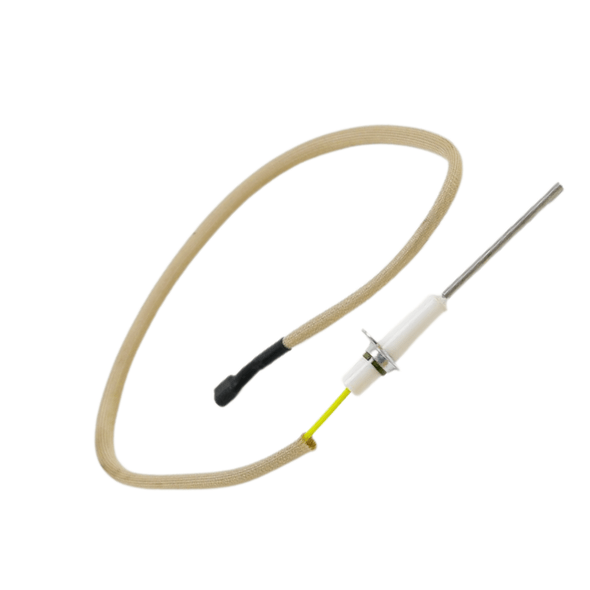

Lochinvar & A.O. Smith 100097250 Flame Sensor PSE-GW1
Lochinvar & A.O. Smith
MSRP: $28.64Now: $22.13Lochinvar & A.O. Smith 100097250 Flame Sensor PSE-GW1 FurnacePartSource.com CommitmentMSRP: $28.64Now: $22.13 -

Siemens Combustion QRB4-B110B70 (replaces QRB1A-B080B70A) FLAME SENSOR
Siemens Combustion
MSRP: $369.53Now: $279.95Siemens Combustion QRB4-B110B70 (replaces QRB1A-B080B70A) FLAME SENSOR FurnacePartSource.com CommitmentMSRP: $369.53Now: $279.95 -
Amana-Goodman 0154F00068 Gasket Uln Flame Sensor
Amana-Goodman
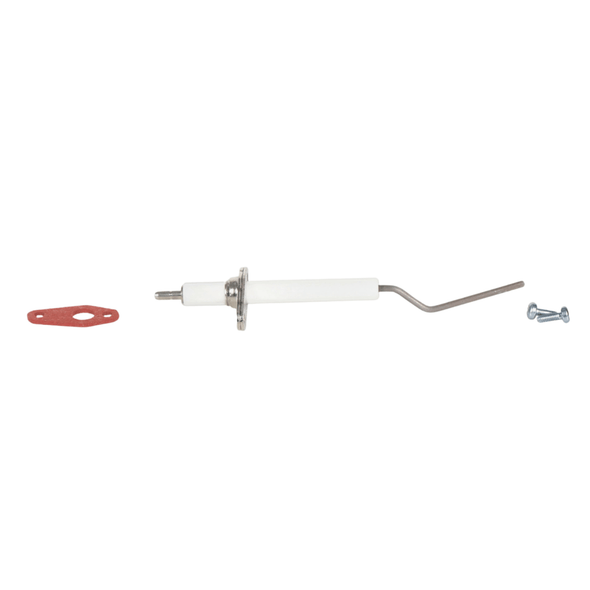
MSRP: $4.65Now: $3.53Amana-Goodman 0154F00068 Gasket Uln Flame Sensor FurnacePartSource.com CommitmentMSRP: $4.65Now: $3.53 -


Amana-Goodman 10735201 Flame Sensor 90 Degree Bend
Amana-Goodman
MSRP: $19.39Now: $14.98Amana-Goodman 10735201 Flame Sensor 90 Degree Bend FurnacePartSource.comMSRP: $19.39Now: $14.98 -


Lochinvar & A.O. Smith 100297134 FLAME SENSOR
Lochinvar & A.O. Smith
MSRP: $226.74Now: $175.21Lochinvar & A.O. Smith 100297134 FLAME SENSOR FurnacePartSource.com CommitmentMSRP: $226.74Now: $175.21 -


Laars Heating Systems R2069200 FLAME SENSOR W/GASKET
Laars Heating Systems
MSRP: $116.06Now: $89.68Laars Heating Systems R2069200 FLAME SENSOR W/GASKET FurnacePartSource.com CommitmentMSRP: $116.06Now: $89.68 -


Trane SEN0432 Merc Flame Sensor 48" 3Pin Plug In
Trane
MSRP: $461.69Now: $356.76Trane SEN0432 Merc Flame Sensor 48"MSRP: $461.69Now: $356.76 -

AERCO Boiler and Water Heater 62632007 Detection Electrode
Rbi Boiler
MSRP: $89.76Now: $69.36AERCO Boiler and Water Heater 62632007 Detection Electrode FurnacePartSource.com CommitmentMSRP: $89.76Now: $69.36 -

Emerson Climate-White Rodgers 790-843A1 Universal Flame Sensor
Copeland Comfort Control (White Rodgers)
MSRP: $32.27Now: $24.94Emerson Climate-White Rodgers 790-843A1 Universal Flame Sensor FurnacePartSource.com CommitmentMSRP: $32.27Now: $24.94 -


Amana-Goodman 0130F00762S Flame Sensor
Amana-Goodman
Amana-Goodman 0130F00762S Flame Sensor 0130F00762SP is the direct replacement for 0130F00762SQty in Cart: 0Price:Subtotal: -

Supco # FLS013 Flame Sensor
Supco
MSRP: $25.39Now: $19.62Supco # FLS013 Flame Sensor FurnacePartSource.com Commitment Item Typically Ships Within the Same Business Day Brand-New Genuine Parts – Every time No Minimum Order RequirementsMSRP: $25.39Now: $19.62
Furnace Flame Sensor Replacement Parts
A furnace flame sensor is a safety component that detects whether a burner flame is present during operation. In many modern gas furnaces, a metal flame-sensing rod sends a small electrical signal to the ignition control board when it detects flame. If the control system cannot confirm that the burners are lit, it shuts off the gas supply to prevent unsafe operation.
Furnace Part Source carries replacement furnace flame sensors, pilot flame sensors, flame rods, sensor leads, detection electrodes, and flame sensing assemblies for compatible residential, commercial, and industrial heating equipment. Product listings include components for gas furnaces, boilers, burners, and other combustion systems that require reliable flame detection.
Types of Flame Sensors and Replacement Parts We Carry
Different heating systems use different flame detection components. Our catalog includes:
- Furnace flame sensor rods for detecting burner flame in compatible gas furnaces.
- Pilot flame sensors for equipment that uses a pilot-based ignition and flame detection system.
- Universal replacement flame sensors for applications supported by the replacement manufacturer's compatibility specifications.
- Flame sensor leads and electrodes for connecting compatible flame detection components to the ignition control system.
- Boiler flame sensors for compatible gas-fired boiler and burner applications.
- Infrared and optical flame detection components for select commercial and industrial combustion systems.
- Flame sensor gaskets and accessories for compatible burner and sensor assemblies.
These components are not necessarily interchangeable. A standard gas furnace flame rod, an infrared flame detector, and a pilot flame sensor may use different sensing methods and mounting arrangements. Always select the replacement specified for your equipment.
How to Find the Right Furnace Flame Sensor Replacement
The most reliable way to find a replacement flame sensor is to start with the original manufacturer part number and furnace model number. Flame sensors can look nearly identical while having different rod lengths, bends, mounting brackets, ceramic insulators, or electrical connections.
Before ordering, compare:
- Original flame sensor part number
- Furnace, boiler, or burner model number
- Equipment manufacturer and serial number
- Replacement or superseded part number
- Sensor rod length, diameter, and bend angle
- Mounting bracket shape and screw position
- Ceramic insulator size and configuration
- Terminal type, connector, and lead length
- Ignition system and flame detection requirements
- Approved manufacturer cross-reference information
The part number may be printed on the sensor, its packaging, the furnace parts list, or the equipment service documentation. If the original sensor is not labeled, use the furnace model and serial number to locate the correct replacement information.
Where Is the Flame Sensor Located on a Furnace?
On many gas furnaces, the flame sensor is mounted near the burner assembly, where its metal rod extends into the burner flame. It commonly has a porcelain or ceramic insulator, a mounting bracket, and an electrical wire connected to the sensor terminal.
The exact location varies by furnace manufacturer and model. Some ignition systems combine ignition and flame-sensing functions, while others use separate components. Consult the equipment service manual or have a qualified HVAC technician identify the sensor before removing any burner compartment components.
OEM and Universal Furnace Flame Sensors
Replacement flame sensors are available in manufacturer-specific designs and universal configurations. OEM flame sensors are designed for designated equipment applications, while compatible replacement parts may be manufactured to replace one or more original part numbers.
Universal flame sensors can be useful when an approved replacement covers multiple furnace models or original part numbers. Some universal models allow the sensor rod to be adjusted according to the manufacturer's instructions. This does not mean every universal sensor fits every furnace.
Compare the replacement's approved cross-reference, rod configuration, mounting position, connector type, and operating requirements before ordering. For gas safety components, the manufacturer's compatibility information should take priority over physical appearance.
Signs a Furnace Flame Sensor May Need Replacement
A dirty, damaged, or failing flame sensor can prevent a furnace from maintaining a stable heating cycle. If the control board does not receive the required flame signal after ignition, it may shut down the burners and attempt another ignition sequence or enter a safety lockout.
Possible warning signs include:
- The furnace burners ignite but shut off shortly afterward.
- The furnace repeatedly attempts to start without completing a heating cycle.
- The heating system displays an ignition or flame-sensing fault code.
- The flame sensor rod shows heavy oxidation or residue buildup.
- The sensor has a cracked ceramic insulator or damaged mounting bracket.
- The furnace intermittently loses its flame-sensing signal.
These symptoms do not always indicate a failed flame sensor. Problems with the ignitor, gas supply, control board, grounding, burner condition, or wiring can produce similar symptoms. A qualified HVAC technician should confirm the cause before replacing the sensor.
How Much Does a Furnace Flame Sensor Cost?
Furnace flame sensor prices vary based on the manufacturer, part number, sensor design, and equipment application. A standard residential gas furnace flame rod may cost considerably less than a specialized pilot sensor, industrial flame detector, infrared flame head, or complete burner sensing assembly.
If you are comparing furnace flame sensor replacement costs, remember that the replacement part price and professional installation cost are separate. Furnace Part Source sells replacement sensors and related components, while labor charges depend on the service provider, equipment accessibility, diagnosis, and repair requirements.
Check each product listing for the current sensor price and availability. Compare parts by the original manufacturer number and approved replacement specifications rather than selecting a sensor based on price alone.
Flame Sensor vs. Ignitor vs. Thermocouple
Flame sensors, furnace ignitors, and thermocouples serve different functions within heating equipment, even though all three are associated with burner operation.
- Flame sensor: Detects an established burner flame and communicates with the flame safety control system.
- Furnace ignitor: Initiates combustion using a spark or heated ignition element.
- Thermocouple: Commonly used in older standing-pilot systems to generate a small electrical signal when heated by the pilot flame.
- Combination ignition and sensing electrode: Performs ignition and flame detection functions in compatible equipment designs.
These parts should not be substituted for one another unless the equipment manufacturer specifies an approved replacement or combined-function component.
Flame Sensors by Manufacturer
Furnace Part Source carries flame detection parts from multiple heating and combustion equipment manufacturers. Product listings may include flame sensors and related components from Rheem-Ruud, York, Amana-Goodman, Bard HVAC, Trane, Honeywell, Lochinvar, A.O. Smith, Viessmann, Eclipse, Siemens Combustion, Laars, Supco, and White-Rodgers.
For example, available replacement products may include Rheem-Ruud 62-23543 series sensors, Amana-Goodman flame sensor rods, Bard flame sensors with leads, and White-Rodgers universal flame sensors. Other listings cover specialized boiler electrodes and commercial burner flame detection components.
Each manufacturer may use different sensor designs across its equipment models. Match the complete part number and equipment specifications rather than assuming that sensors from the same brand are interchangeable.
Where to Buy a Replacement Flame Sensor for a Furnace
You can shop furnace flame sensor replacement parts online at Furnace Part Source. Use the category product list or site search to look for the manufacturer name, furnace model, original sensor part number, or approved replacement number.
If you are replacing a failed sensor, check the product description for mounting dimensions, rod configuration, compatible equipment, and electrical connections. Review the current price, availability, and shipping options before placing your order.
Need Help Matching a Furnace Flame Sensor?
Not sure which replacement flame sensor fits your furnace, boiler, or burner? Gather the equipment manufacturer, model number, serial number, original sensor part number, and any available replacement information. Photos of the equipment data plate, sensor label, mounting bracket, and electrical connector may also help identify the correct component.
Contact Furnace Part Source for help narrowing your options, especially if the original sensor is discontinued, the part number is difficult to read, or you are comparing universal and brand-specific replacement sensors.
Furnace Flame Sensor FAQs
What does a furnace flame sensor do?
A furnace flame sensor confirms that a burner flame is present during operation. In many gas furnaces, it communicates a flame-sensing signal to the ignition control board. If the control system cannot confirm flame, it shuts off the gas supply as a safety measure.
How do I know if my furnace flame sensor is bad?
Possible signs include burners that light briefly and shut off, repeated ignition attempts, flame-sensing fault codes, or visible sensor damage. These symptoms can also result from other ignition or control problems, so the sensor should be inspected and tested before replacement.
Can a dirty flame sensor be cleaned instead of replaced?
Some flame sensor problems are caused by buildup on the sensing rod rather than permanent component failure. A qualified HVAC technician can inspect and clean the sensor according to the equipment instructions. Replacement may be necessary if the sensor is damaged or cannot provide the required flame signal.
Are furnace flame sensors universal?
Not all furnace flame sensors are universal. Some universal replacement sensors are approved for multiple original part numbers, but the sensor must still match the furnace's mounting arrangement, rod position, electrical connection, and flame detection requirements.
How much is a replacement flame sensor for a furnace?
The price depends on the manufacturer, part number, and sensor type. Standard residential furnace flame sensors can cost less than specialized boiler sensors, pilot sensing assemblies, or industrial flame detectors. Check the individual product listing for the current part price. Professional installation labor is separate.
Where can I buy a flame sensor for my furnace?
Furnace Part Source sells replacement furnace flame sensors, pilot sensors, flame rods, and related components online. Search by the furnace manufacturer, equipment model number, or original sensor part number to find a compatible replacement.
What is the difference between a pilot sensor and a flame sensor?
A pilot sensor monitors the pilot flame in compatible ignition systems, while a furnace flame sensor often monitors the main burner flame. Different equipment may use flame rectification, thermocouples, or other sensing technologies. Match the replacement to the original ignition system.
Can I replace a furnace flame sensor myself?
Flame sensors are part of the furnace's combustion safety system. Replacement requires correct part identification, safe electrical isolation, proper mounting, and verification of the ignition and flame detection sequence. Professional HVAC service is recommended when working with gas or burner safety components.
Can I use a flame sensor from a different furnace brand?
A replacement from another manufacturer may be suitable if it is specifically approved as a compatible cross-reference. Compare the original part number, mounting configuration, sensor dimensions, and equipment requirements before ordering. Do not assume that two similar-looking flame sensors will fit the same furnace.