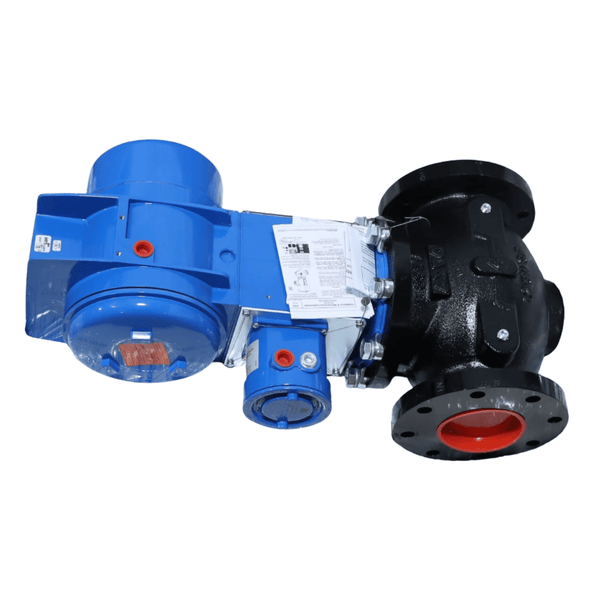
Valves & Pumps
The Valves & Pumps category encompasses critical HVAC components that regulate fluids and gases throughout heating and cooling systems. It includes HVAC gas valves, various solenoid valves, and a range of pumps and related parts. These parts play essential roles in fuel control, water circulation, and system safety. Whether managing gas flow to a furnace or moving water in a boiler loop, valves and pumps keep HVAC systems running efficiently and safely.
Key HVAC Valve and Pump Categories
- HVAC Gas Valves: Gas valves are essential safety controls in furnaces and boilers. They regulate the flow of natural gas or propane to the burner, opening only when heat is needed and closing to prevent leaksfurnacepartsource.com. Many modern gas valves are solenoid operated, using electromagnetic actuators for precise on/off control. Proper gas valve function is critical for safe ignition and shut-off in any gas fired HVAC system.
- Solenoid Valves: Solenoid valves are electrically controlled valves used for automatic fluid control in HVAC systems. By energizing a coil, they can instantly open or close to control the flow of liquids or gasesfurnacepartsource.com. Solenoid valves are found in various applications, from fuel gas shutoff to refrigerant line control, and ensure rapid, reliable operation of cooling and heating circuits.
-
Circulator Pumps: Circulator pumps are the heart of hydronic heating systems. They continuously circulate hot water from the boiler through
radiators, baseboard heaters, or radiant floor loopsbandhheatingandair.com. This ensures even heat distribution in every zone. Circulator pumps are typically centrifugal pumps designed for closed�loop systems, maintaining steady flow and pressure to deliver consistent warmth.
- Condensate Pumps: Condensate pumps remove water formed by condensation in HVAC equipment. High-efficiency furnaces and air conditioning coils often produce condensate (water) that must be drained. When gravity drainage isn’t feasible (for example, in basements or attic units), a condensate pump collects and pumps out the water to a safe drain pointbandhheatingandair.com. These compact pumps prevent water buildup that could cause mold or equipment damage.
- Zone Valves: Zone valves control hot water flow to different heating zones in a hydronic system. Each zone valve opens or closes to allow water into a specific zone (such as an individual room or floor) based on thermostat demandtameson.com. By segmenting a heating system into zones, these valves enable targeted temperature control and energy savings. Zone valves are usually motor-operated (often 24V) and are common in homes with multiple heating zones or radiant floor heating.
Compatibility and OEM Replacement Parts
When selecting replacement valves or pumps, compatibility with your HVAC system is crucial. Always match the new part’s specifications (fuel type, size, voltage, flow capacity, etc.) to your equipment’s requirements. Using genuine OEM furnace pump replacements (Original Equipment Manufacturer parts) is recommended for optimal fit and performance. Genuine OEM replacement parts ensure compatibility and reliability, restoring the system to its original operating specificationsengineparts4less.com. In practice, this means a replacement circulator pump or gas valve from the system’s manufacturer will fit correctly and function as intended, with no modification needed. Always verify model numbers or part numbers when searching for replacements to ensure you get the correct component for your furnace, boiler, or AC unit.
Frequently Asked Questions
What is an HVAC gas valve and how does it work?
An HVAC gas valve is a control device that manages fuel gas flow to a furnace or boiler. It remains closed until the system calls for heat, then opens to supply natural gas or propane to the burner. Modern gas valves often include safety features that shut off gas to prevent leaks if there's no ignition or if the system is offfurnacepartsource.com. In essence, the gas valve ensures fuel is delivered only when safe and needed.
When are solenoid valves used in HVAC systems?
Solenoid valves are used whenever fast and automatic fluid control is needed in HVAC systems. They rely on an electromagnetic coil to open or close the valve almost instantly. Common HVAC uses include controlling refrigerant flow in air conditioners, acting as gas shutoff valves in furnaces, or regulating water flow in cooling towers. Their ability to precisely control liquids or gases with an electrical signal makes them indispensable for automation and safety in modern HVAC equipmentfurnacepartsource.com.
What is the difference between a circulator pump and a condensate pump?
A circulator pump and a condensate pump serve very different purposes in HVAC systems. A circulator pump is used in hydronic heating (or cooling) loops to continuously move water through the system’s pipes, ensuring even distribution of heat (or chilled water) to all radiators or coils. In contrast, a condensate pump doesn’t circulate heating water; it removes condensation water. Condensate pumps collect excess water produced by AC evaporator coils or high-efficiency furnace exhaust and pump it out to a drainbandhheatingandair.com. In short, circulator pumps move hot (or cold) water for heating/cooling, while condensate pumps dispose of unwanted water from the system.
How do zone valves work in a heating system?
Zone valves are used in hot water (hydronic) heating systems to divide the system into zones for independent control. Each zone valve is installed on the supply pipe feeding a specific zone (area or room). When a zone’s thermostat calls for heat, its valve opens to allow hot water flow into that loop; once the zone is satisfied, the valve closes. This operation can be manual or, more commonly, driven by an
electric actuator motor. By opening or closing, zone valves control water flow to specific zones or areastameson.com, enabling different areas of a building to be heated to different temperatures as needed.
Why choose OEM furnace pump replacements?
Choosing OEM furnace pump replacements is important to ensure the new part will fit and function exactly like the original. OEM (Original Equipment Manufacturer) pumps are made to the same specifications and quality standards as the part that came with your furnace or boiler. This guarantees compatibility in terms of mounting, voltage, capacity, and control connections. While aftermarket alternatives exist, an OEM pump eliminates guesswork – it will match the system’s requirements and often maintain any existing warranties or safety certifications. In summary, using an OEM replacement pump provides peace of mind that the repair will restore your HVAC system’s performance and reliability to factory standards.